How Daniel Wellington Grew Through Influencer Marketing on Instagram
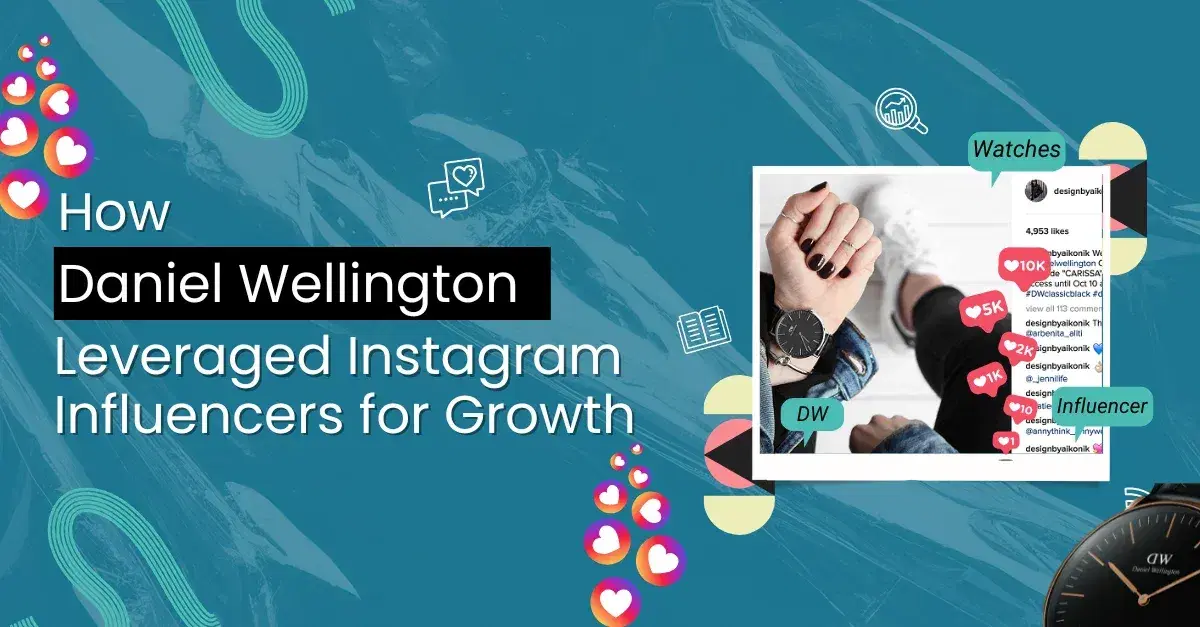
In the world of digital marketing, few brands have leveraged social media as effectively as Daniel Wellington. What started as a small Swedish watch company quickly evolved into a globally recognized fashion brand thanks to a strategic and highly scalable influencer marketing approach.
Unlike traditional brands that relied heavily on television commercials, print advertising, or celebrity endorsements, Daniel Wellington chose a different path. The company invested in Instagram influencers, authentic content, and community-driven engagement to create global brand awareness.
Today, Daniel Wellington is widely regarded as one of the most successful examples of influencer marketing done right. Its journey offers valuable lessons for businesses looking to grow their brand through social media and creator partnerships.
The Story Behind Daniel Wellington
Daniel Wellington was founded in 2011 by entrepreneur Filip Tysander. Inspired by a traveler with a distinctive and timeless sense of style, Tysander created a watch brand centered around minimalist design and interchangeable straps.
The watches featured:
- Clean and elegant faces
- Minimalist aesthetics
- Interchangeable NATO straps
- Affordable luxury positioning
While the product itself gained attention, the real breakthrough came through the company's innovative marketing strategy.
Instead of focusing on traditional advertising channels, Daniel Wellington turned its attention to Instagram, a platform that was rapidly becoming a hub for lifestyle and fashion content.
Why Instagram Became the Brand's Growth Engine
Instagram provided everything Daniel Wellington needed to showcase its products visually.
The platform offered:
- Highly engaged audiences
- Visual storytelling opportunities
- Organic content sharing
- Influencer partnerships
- Global reach
The brand quickly realized that consumers trusted recommendations from creators and everyday users more than traditional advertisements.
This insight became the foundation of its influencer marketing strategy.
Leveraging Influencer Marketing at Scale
One of Daniel Wellington's most successful marketing decisions was collaborating with influencers across different audience sizes.
The company identified creators whose personal style aligned with its brand image and offered them complimentary watches in exchange for social media exposure.
Influencers would:
- Wear the watch in lifestyle content
- Share high-quality Instagram posts
- Mention the brand in captions
- Use branded hashtags
- Promote personalized discount codes
This simple approach generated thousands of authentic content pieces while significantly increasing brand visibility.
The strategy proved that influencer marketing could be both scalable and cost-effective.
The Power of Micro Influencers
While many brands focused solely on celebrity endorsements, Daniel Wellington embraced micro influencers early on.
Micro influencers typically have:
- Smaller audiences
- Higher engagement rates
- Stronger follower trust
- More authentic relationships with their communities
By working with hundreds of micro influencers, Daniel Wellington gained access to highly engaged audiences across multiple niches.
Benefits of this strategy included:
- Lower collaboration costs
- Greater authenticity
- Increased engagement
- Broader audience reach
These partnerships helped the company build trust while expanding brand awareness worldwide.
Combining Micro and Macro Influencers
As the brand expanded, Daniel Wellington added macro influencers and larger content creators to its marketing mix.
This combination allowed the company to benefit from:
Micro Influencers
- Strong engagement
- Community trust
- Authentic recommendations
Macro Influencers
- Significant reach
- Large audience exposure
- Global brand awareness
The balanced approach helped Daniel Wellington achieve both visibility and credibility simultaneously.
User Generated Content as a Marketing Asset
One of the most powerful outcomes of Daniel Wellington's influencer strategy was the creation of massive amounts of user-generated content.
Influencers continuously shared content featuring:
- Travel experiences
- Fashion styling
- Lifestyle photography
- Everyday moments
Instead of investing heavily in expensive advertising campaigns, the company leveraged customer and influencer content to fuel its marketing efforts.
This approach allowed Daniel Wellington to:
- Generate social proof
- Build community engagement
- Create authentic brand storytelling
- Reduce content production costs
The result was a continuous stream of high-quality content that reinforced the brand's image.
The Success of Branded Hashtags
To encourage participation and increase visibility, Daniel Wellington incorporated branded hashtags into its campaigns.
These hashtags helped:
- Increase user engagement
- Encourage customer participation
- Build brand recognition
- Organize campaign content
- Expand social reach
Customers and influencers became active contributors to the brand's online presence, turning social media into a powerful marketing engine.
Using Discount Codes to Measure Performance
Another key component of Daniel Wellington's influencer strategy was personalized discount codes.
Each influencer received a unique promotional code to share with followers.
This approach delivered several benefits:
- Increased purchase incentives
- Trackable campaign performance
- Clear return on investment (ROI) insights
- Better influencer evaluation
The company could easily identify which partnerships generated the highest engagement and sales.
This data-driven approach transformed influencer marketing from a branding exercise into a measurable customer acquisition channel.
Building a Consistent Visual Identity
One of the reasons Daniel Wellington stood out on Instagram was its highly recognizable visual branding.
The company maintained consistency across influencer content through:
- Neutral color palettes
- Minimalist styling
- Clean compositions
- Elegant fashion photography
- Lifestyle-focused storytelling
As a result, users could instantly recognize Daniel Wellington content regardless of who posted it.
This consistency strengthened brand identity and increased consumer trust.
Expanding Through Campus Ambassador Programs
Daniel Wellington also strengthened its marketing efforts through student ambassador initiatives.
The program encouraged university students to:
- Promote the brand on social media
- Share content with peers
- Organize campus activities
- Build local awareness
This strategy helped the company establish strong connections with younger audiences while generating additional user-generated content.
The approach successfully bridged online engagement with real-world brand advocacy.
Global Expansion Through Local Influencers
One of the most impressive aspects of Daniel Wellington's growth strategy was its ability to scale internationally.
Instead of relying on expensive global advertising campaigns, the company partnered with influencers across different regions and cultures.
Benefits included:
- Localized marketing
- Greater cultural relevance
- Organic audience growth
- Improved trust among local consumers
Influencers communicated with audiences in their native languages, making the brand feel more relatable and accessible in every market.
This allowed Daniel Wellington to build a truly global presence while maintaining a consistent brand identity.
Why the Strategy Worked
Several factors contributed to Daniel Wellington's influencer marketing success.
Authenticity
Consumers trust recommendations from creators they follow and admire.
Scalability
The company could quickly expand its influencer network as the brand grew.
Cost Efficiency
Many early partnerships relied on product exchanges rather than large marketing budgets.
Measurable Results
Discount codes and engagement metrics provided clear performance insights.
Community Building
Customers felt connected to the brand through shared experiences and user-generated content.
Together, these elements created a marketing strategy that was both sustainable and highly effective.
Lessons Brands Can Learn from Daniel Wellington
Businesses looking to grow through influencer marketing can learn several valuable lessons from Daniel Wellington's success.
Start with the Right Influencers
Focus on creators whose audience aligns with your target market.
Prioritize Authenticity
Authentic content often outperforms heavily scripted promotions.
Encourage User Generated Content
Customer content builds trust and strengthens brand credibility.
Track Performance Carefully
Use discount codes, affiliate links, and analytics to measure success.
Build a Consistent Brand Identity
Visual consistency helps increase brand recognition and trust.
Think Long Term
The strongest influencer partnerships are built through ongoing collaboration rather than one-time campaigns.
The Lasting Impact of Influencer Marketing
Although social media platforms continue to evolve, the principles behind Daniel Wellington's success remain relevant.
Modern consumers still value:
- Authentic recommendations
- Real-world experiences
- Community engagement
- Personalized content
Brands that focus on building genuine relationships with creators and audiences are more likely to achieve long-term success than those relying solely on traditional advertising.
Conclusion
Daniel Wellington's rise from a startup watch brand to a globally recognized fashion company demonstrates the power of influencer marketing when executed strategically.
By embracing Instagram, partnering with creators, encouraging user-generated content, and maintaining a strong visual identity, the brand successfully transformed social media into a scalable growth engine.
Its journey serves as a blueprint for businesses looking to build awareness, increase engagement, and drive sales through authentic digital marketing strategies.
In today's creator economy, Daniel Wellington remains one of the strongest examples of how influencer partnerships can create extraordinary business growth.


