The Future of EHR: Smarter, Faster, AI-Integrated Systems by 2026
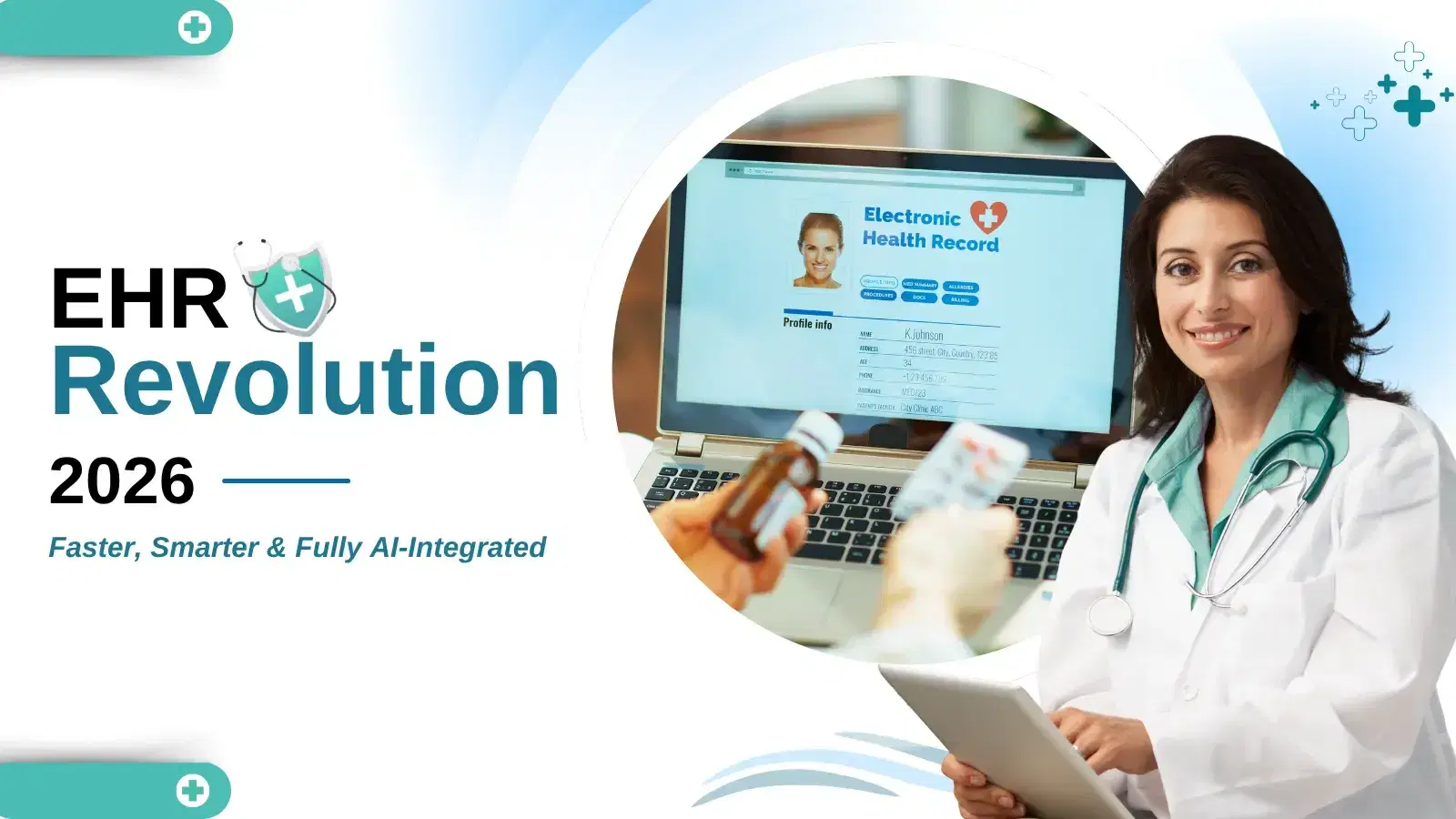
The global healthcare industry is undergoing its fastest technological transformation in history. Hospitals, clinics, and health systems are shifting from traditional documentation tools toward smart, AI-enhanced EHR systems that support real-time decision-making, reduce clinician workload, and improve patient care outcomes. By 2026, Electronic Health Records (EHRs) will evolve into a central intelligence hub for the entire care ecosystem—connecting patients, providers, devices, insurers, and analytics systems in one powerful digital framework.
This blog from Pennep IT Solutions takes a deep, global look at what the EHR landscape will look like by 2026, how AI is reshaping core functions, what real-world use cases are already emerging, and how healthcare organizations, IT companies, and digital health innovators can prepare today.
1. AI-Powered EHR Systems Become Standard Across Healthcare
Artificial Intelligence will become embedded inside EHR systems rather than being offered as external add-ons. By 2026, EHRs will include native AI models, clinical intelligence layers, and autonomous workflows.
AI Will Transform the Way EHRs Work
1.1 Predictive Analytics for High-Risk Patients
AI engines will process years of patient history to predict:
- Risk of stroke or cardiac events
- Onset of respiratory failure
- Sepsis likelihood within 6–12 hours
- Readmission probability
- Complications during surgery
Hospitals using such predictive tools in pilot programs (US, UK, Australia) have already reported up to 30% reduction in critical adverse events.
1.2 AI Medical Scribe for Automated Documentation
One of the biggest pain points for clinicians is paperwork. By 2026:
- AI assistants will record patient conversations.
- Convert speech into structured clinical notes.
- Auto-fill diagnosis fields and medication orders.
- Suggest billing codes (ICD-11, CPT, SNOMED CT).
This technology is reducing documentation time by 40–70% in early 2025 trials.
1.3 AI-Driven Clinical Decision Support
The next generation of CDS will include:
- Real-time symptom analysis
- Drug–drug interaction warnings
- Procedural recommendations
- Risk-based triage assistance
- Personalized treatment insights
EHRs will act like a "second brain" for clinicians, improving both speed and accuracy.
2. Interoperability Will Become Mandatory, Not Optional
Global regulatory bodies are enforcing stricter interoperability requirements to ensure healthcare systems can connect seamlessly.
What Interoperability Will Look Like by 2026
- Hospitals, labs, pharmacies, and insurers will share data instantly.
- Unified patient medical profiles will be accessible across networks.
- APIs and FHIR-based integrations will become industry standards.
- National healthcare networks will adopt connected systems.
- Global medical travel will become easier through shared digital records.
Countries like the U.S., India, UAE, and Singapore have already initiated national EHR frameworks that will be fully operational by 2026.
Real Case Study (2025 – India)
The Ayushman Bharat Digital Mission (ABDM) enabled cross-hospital sharing of patient EHRs. A diabetic patient in Delhi could be treated in Mumbai with complete digital history accessible instantly—reducing misdiagnosis risk.
3. Hands-Free, Voice-Enabled, and Gesture-Based EHR Interaction
Clinicians waste thousands of hours clicking through screens. The future EHR will be hands-free, fast, and intuitive.
Voice & Gesture Features Coming by 2026
- "Show last X-ray reports" voice commands.
- AI scribe capturing conversations instantly.
- Touchless navigation for sterile environments.
- Wearable-assisted commands (AR glasses for surgeons).
Emergency rooms and operating theaters will benefit the most from voice-activated EHR access.
4. EHRs Will Connect With IoT, Wearables & Remote Care Devices
Wearables and IoT will generate continuous patient data streams, dramatically improving remote patient monitoring (RPM).
Examples of Connected Devices Feeding EHR Data
- Smartwatches tracking ECG and oxygen levels.
- Glucose monitoring patches.
- Smart insulin pens.
- Connected blood pressure cuffs.
- Home respiratory monitors.
- Smart inhalers for asthma.
- Cardiac telemetry patches.
Why This Matters
Doctors will have real-time insight into:
- Patient vitals
- Medication adherence
- Daily activity levels
- Early signs of deterioration
By 2026, RPM + EHR integration will reduce hospital readmissions by 20–30% globally.
5. Zero-Trust Cybersecurity Becomes Core to EHR Strategy
For years, healthcare has been the #1 target for cyberattacks. In 2026, cybersecurity will be built into the core of every EHR.
Key Security Enhancements
- Zero-trust access frameworks.
- AI intrusion detection systems.
- Blockchain-based audit trails.
- Encrypted data exchange.
- Multi-layer network monitoring.
- Behavioural access analytics.
Real Example (Europe, 2025)
A Nordic health system used AI anomaly detection integrated with its EHR. The platform identified abnormal login patterns early and prevented a ransomware attack that could have shut down operations for days.
6. Personalized EHR Experiences for Every Clinician
EHRs will adapt automatically to each user’s practice pattern.
Personalization Features Coming
- Auto-prioritized patient lists.
- Custom dashboards.
- Predictive shortcuts.
- Adaptive templates based on specialty.
- Auto-suggested orders based on patient type.
This significantly improves documentation speed and reduces digital fatigue.
7. Unified EHR + Telehealth + Virtual Care Platforms
Telehealth exploded during the pandemic. By 2026, telehealth will be fully integrated into EHR systems—not a separate platform.
Unified Telehealth Features
- Virtual visit documentation.
- AI summarization of calls.
- E-prescriptions directly from teleconsultation.
- Remote vitals auto-uploading to EHR.
- Integrated patient messaging.
This hybrid model makes care more accessible and efficient.
8. AI-Integrated Revenue Cycle Management (RCM)
Financial optimization is one of the most underrated benefits of advanced EHR systems.
AI Will Improve Billing Processes
- Automated coding.
- Real-time insurance verification.
- Predictive claim approval scoring.
- Fraud detection.
- Prior authorization automation.
Hospitals using AI-assisted RCM in 2025 saw:
- 35% drop in claim denials
- 27% reduction in operational cost
- 50% faster billing cycles
9. Rise of Cloud-Native, Modular, and Microservices-Based EHRs
Legacy EHRs are bulky and slow to update. By 2026, the industry will shift toward:
- Microservices architecture.
- Cloud-native infrastructures.
- Flexible modules instead of monolithic systems.
- API-driven plug-and-play features.
This approach allows hospitals to modernize without replacing the entire system.
10. What This Means for Hospitals, Clinicians & the Tech Industry
For Healthcare Providers
- Better clinical accuracy.
- Reduced burnout.
- Faster access to information.
- Increased patient trust.
- Improved hospital efficiency.
For Tech Companies & Startups
The EHR modernization boom will create huge opportunities for:
- AI model development.
- API and interoperability integrations.
- Data migration & cleansing.
- Custom clinical modules.
- RPM + IoT integration.
- Cybersecurity deployments.
- Cloud migration services.
For Governments & Public Health
- Better disease tracking.
- Early outbreak detection.
- Efficient vaccination programs.
- National digital health registries.
How AI-Integrated EHRs Will Improve Patient Experience by 2026
A major shift in 2026 will be the transition from EHR systems that only support clinicians to EHR systems that also directly enhance patient engagement. As AI becomes deeply integrated into healthcare workflows, patient-facing tools will become smarter, more personalized, and more accessible—leading to higher satisfaction and better health outcomes.
Key Enhancements in Patient Experience
- AI-Powered Patient Portals: Portals will provide real-time insights such as predicted wait times, personalized treatment recommendations, medication reminders, and smart appointment scheduling based on patient preferences and provider availability.
- 24/7 Intelligent Virtual Assistants: AI assistants will guide patients through symptom checks, answer routine questions instantly, and help them navigate follow-up steps—reducing call center volume and improving response speed.
- Personalized Care Plans: Instead of generic instructions, patients will receive AI-generated care paths tailored to age, history, lifestyle, and risk scores, improving adherence and outcomes.
- Faster Access to Records: Enhanced data interoperability will allow patients to access all their health data—lab reports, imaging, prescriptions, and visit notes—in one unified interface rather than logging into multiple systems.
- Reduced Administrative Friction: Digital intake, automated insurance verification, and AI-powered billing error detection will eliminate repetitive form-filling and help patients understand charges more clearly.
Why This Matters
A smarter, AI-enabled EHR ecosystem empowers patients to be active participants in their healthcare journey. With more transparency, faster communication, and personalized insights, patient trust deepens—and health systems experience fewer no-shows, higher adherence, and stronger long-term engagement.
Conclusion: A New Era of Intelligent Healthcare Begins Now
As we move toward 2026, the future of Electronic Health Records is becoming clearer—and more exciting. They are evolving into intelligent systems powered by AI, automation, voice technology, and advanced interoperability. These capabilities will help hospitals reduce administrative burdens, improve patient safety, and unlock real-time clinical insights that were impossible a decade ago. With faster workflows and more accurate data, healthcare providers will finally be able to redirect their energy toward what matters most: delivering quality care.
The transformation ahead will require both vision and adaptation. Clinics, hospitals, and health-tech leaders who embrace AI-powered EHRs early will gain a competitive advantage in efficiency, compliance, and patient satisfaction. Those who delay may struggle to keep up with rapidly advancing standards and patient expectations. The next generation of EHRs will not just record information—they will guide decisions, predict risks, and support value-based care. The future is smarter, faster, and deeply integrated, and healthcare organizations must prepare now to thrive in this AI-driven landscape.


