Exploring the Future of Digital Marketing in 2026
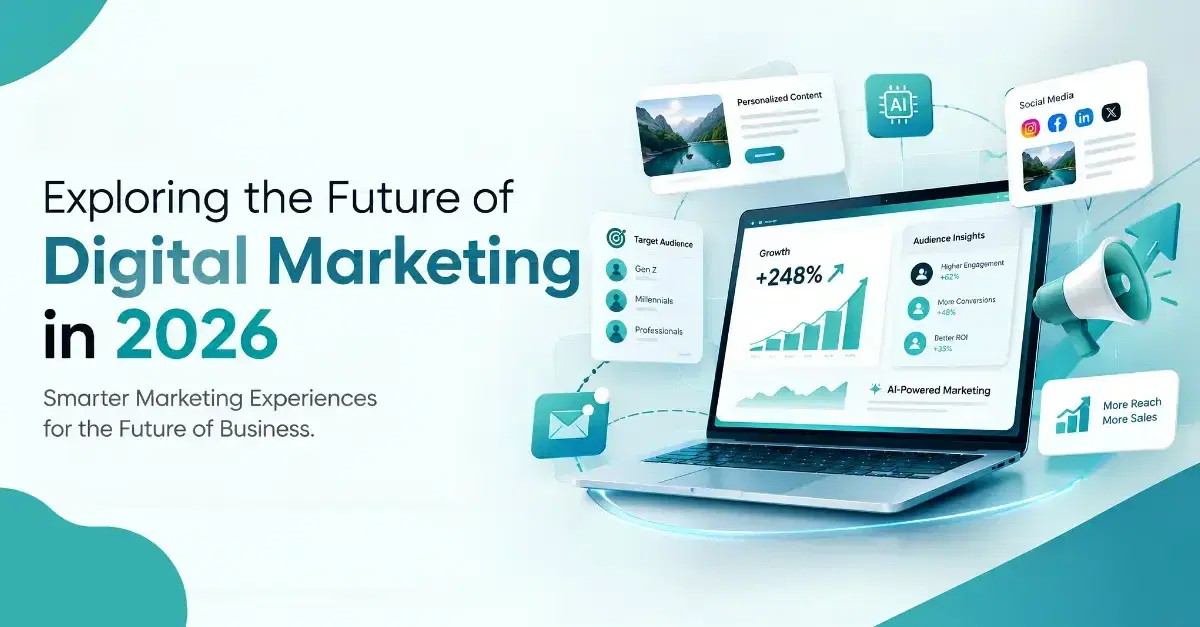
Digital marketing continues to evolve at an unprecedented pace. As technology advances and consumer expectations rise, businesses must adapt their strategies to remain competitive in an increasingly connected world.
In 2026, digital marketing is no longer just about attracting visitors to a website. It is about delivering personalized experiences, building meaningful customer relationships, leveraging artificial intelligence, and creating seamless interactions across multiple channels.
Organizations that embrace innovation and stay ahead of emerging trends will be better positioned to increase engagement, strengthen brand loyalty, and drive long-term growth.
This article explores the key trends, technologies, and strategies shaping the future of digital marketing in 2026.
The Rise of AI Powered Marketing
Artificial Intelligence is transforming every aspect of digital marketing.
From campaign management and customer segmentation to content creation and predictive analytics, AI is helping marketers make smarter decisions faster than ever before.
Businesses are using AI to:
- Analyze customer behavior
- Predict purchasing intent
- Automate customer interactions
- Personalize marketing campaigns
- Generate content ideas
- Optimize advertising performance
AI enables marketing teams to work more efficiently while delivering highly relevant experiences to customers.
As AI technology continues to mature, businesses that successfully integrate AI into their marketing strategies will gain a significant competitive advantage.
Hyper Personalization Becomes the New Standard
Consumers increasingly expect brands to understand their preferences and deliver personalized experiences.
In 2026, personalization goes beyond using a customer's name in an email.
Modern personalization includes:
- Personalized website experiences
- Dynamic content recommendations
- Product suggestions based on behavior
- Predictive customer journeys
- Location based offers
- Real time messaging
By leveraging customer data and machine learning, businesses can create highly relevant experiences that drive engagement and conversion.
Brands that prioritize personalization are more likely to build stronger customer relationships and improve retention.
Voice Search Continues to Grow
Voice-enabled devices have changed how consumers search for information online.
As voice search adoption increases, businesses must optimize their digital presence for conversational search queries.
Key optimization strategies include:
- Using natural language keywords
- Creating FAQ focused content
- Optimizing for local searches
- Improving website speed
- Structuring content for voice assistants
Voice search optimization will play an important role in helping businesses remain visible as search behaviors evolve.
Social Commerce Expands Across Platforms
Social media has evolved far beyond brand awareness and engagement.
In 2026, social commerce continues to blur the line between content and purchasing.
Consumers can now:
- Discover products through creators
- Shop directly from social platforms
- Complete purchases without leaving apps
- Engage with live shopping events
- Access personalized recommendations
Businesses are increasingly integrating eCommerce functionality within platforms such as Instagram, TikTok, Facebook, and Pinterest.
This frictionless customer journey creates new revenue opportunities while simplifying the buying process.
Short Form Video Dominates Content Marketing
Video remains one of the most effective forms of digital content.
Short form video content continues to dominate due to its ability to quickly capture attention and deliver information in an engaging format.
Popular formats include:
- Product demonstrations
- Educational content
- Behind the scenes videos
- Customer testimonials
- Brand storytelling
- Live streaming
Businesses that consistently create authentic and valuable video content will have greater opportunities to connect with audiences and increase engagement.
Marketing Automation Reaches New Levels
Marketing automation is becoming more intelligent and sophisticated.
Modern automation tools allow businesses to:
- Nurture leads automatically
- Trigger personalized communications
- Score leads based on behavior
- Manage customer journeys
- Improve email marketing performance
Automation enables marketing teams to scale campaigns while maintaining personalized customer interactions.
As consumer expectations increase, automation will continue to play a crucial role in delivering timely and relevant communication.
Data Driven Marketing Drives Better Decisions
Data has become one of the most valuable assets in modern marketing.
Organizations are increasingly using analytics to understand:
- Customer behavior
- Campaign performance
- Conversion trends
- Engagement metrics
- Revenue attribution
By leveraging real time insights, marketers can make informed decisions and continuously optimize their strategies.
Businesses that embrace data driven marketing gain a deeper understanding of their audience and achieve stronger marketing outcomes.
Customer Experience Becomes a Competitive Advantage
Customer experience is now one of the most important differentiators in digital marketing.
Consumers expect seamless interactions across:
- Websites
- Mobile apps
- Social media platforms
- Email communications
- Customer support channels
Successful brands focus on creating consistent and engaging experiences throughout the customer journey.
Improving customer experience can lead to:
- Higher satisfaction rates
- Increased loyalty
- Better retention
- Greater lifetime value
The future of marketing is closely tied to how effectively businesses serve and support their customers.
Zero Party and First Party Data Gain Importance
As privacy regulations continue to evolve and third party cookies become less reliable, businesses are focusing on data collection strategies that prioritize transparency and customer trust.
Important data sources include:
First Party Data
Information collected directly from customer interactions such as:
- Website activity
- Purchase history
- Email engagement
- Customer accounts
Zero Party Data
Information customers voluntarily share, including:
- Preferences
- Interests
- Product needs
- Survey responses
These data sources help marketers create personalized experiences while respecting privacy expectations.
Influencer Marketing Continues to Evolve
Influencer marketing remains an important strategy in 2026.
However, authenticity has become more important than audience size.
Brands are increasingly partnering with:
- Micro influencers
- Niche creators
- Industry experts
- Community leaders
These partnerships often generate stronger engagement and trust compared to traditional celebrity endorsements.
Businesses that focus on meaningful creator relationships can build more authentic connections with potential customers.
Omnichannel Marketing Becomes Essential
Consumers engage with brands across multiple touchpoints before making a purchase decision.
An effective omnichannel strategy ensures consistency across:
- Websites
- Mobile applications
- Social media
- Email marketing
- Search engines
- Retail locations
Businesses that create seamless experiences across channels are more likely to improve customer satisfaction and increase conversions.
The Growing Role of Predictive Analytics
Predictive analytics allows marketers to anticipate customer behavior rather than simply reacting to it.
Using historical and real time data, businesses can:
- Forecast demand
- Predict customer churn
- Identify sales opportunities
- Improve inventory planning
- Optimize marketing spend
This proactive approach helps organizations improve efficiency and maximize return on investment.
Sustainability and Brand Purpose Matter More Than Ever
Consumers increasingly support brands that align with their values.
Businesses are expected to demonstrate commitment to:
- Sustainability
- Diversity and inclusion
- Ethical business practices
- Social responsibility
- Environmental impact
Digital marketing strategies that authentically communicate these initiatives help strengthen trust and brand loyalty.
Purpose driven marketing will continue to influence consumer purchasing decisions in 2026 and beyond.
Key Strategies for Success in 2026
To stay competitive, businesses should focus on:
- Adopting AI powered marketing tools
- Creating personalized customer experiences
- Investing in video content
- Leveraging marketing automation
- Optimizing for voice search
- Building strong first party data strategies
- Strengthening omnichannel engagement
- Utilizing predictive analytics
- Prioritizing customer experience
- Developing authentic brand messaging
Organizations that embrace these strategies will be better equipped to adapt to changing customer expectations and market conditions.
The Future of Digital Marketing
Digital marketing in 2026 is more intelligent, data driven, and customer focused than ever before.
The intersection of artificial intelligence, automation, analytics, and personalization is creating new opportunities for businesses to engage audiences and drive growth.
Success will depend on the ability to balance technology with authentic human connections, ensuring every customer interaction delivers value and relevance.
Brands that remain agile, innovative, and customer centric will continue to thrive in the evolving digital landscape.
Conclusion
The future of digital marketing is being shaped by innovation, personalization, and data driven decision-making. From AI powered campaigns and predictive analytics to social commerce and omnichannel experiences, marketers have more tools than ever to connect with customers and drive meaningful results.
Businesses that embrace these trends today will be well positioned to build stronger relationships, improve marketing performance, and achieve sustainable growth in 2026 and beyond.
Frequently Asked Questions
What is the future of digital marketing in 2026?
Digital marketing in 2026 focuses on AI powered personalization, automation, predictive analytics, social commerce, and seamless customer experiences across multiple channels.
How is AI changing digital marketing?
AI helps marketers automate workflows, analyze customer behavior, create personalized campaigns, optimize advertising performance, and improve decision-making.
Why is personalization important in modern marketing?
Personalization improves customer engagement, increases conversions, enhances loyalty, and creates more meaningful brand experiences.
What role does social commerce play in 2026?
Social commerce allows customers to discover, explore, and purchase products directly through social media platforms, creating a seamless shopping experience.
How can businesses prepare for the future of digital marketing?
Businesses should invest in AI tools, marketing automation, customer experience improvements, first party data strategies, and omnichannel engagement to remain competitive.


