Discovering Tomorrows Amazing Healthcare Innovations
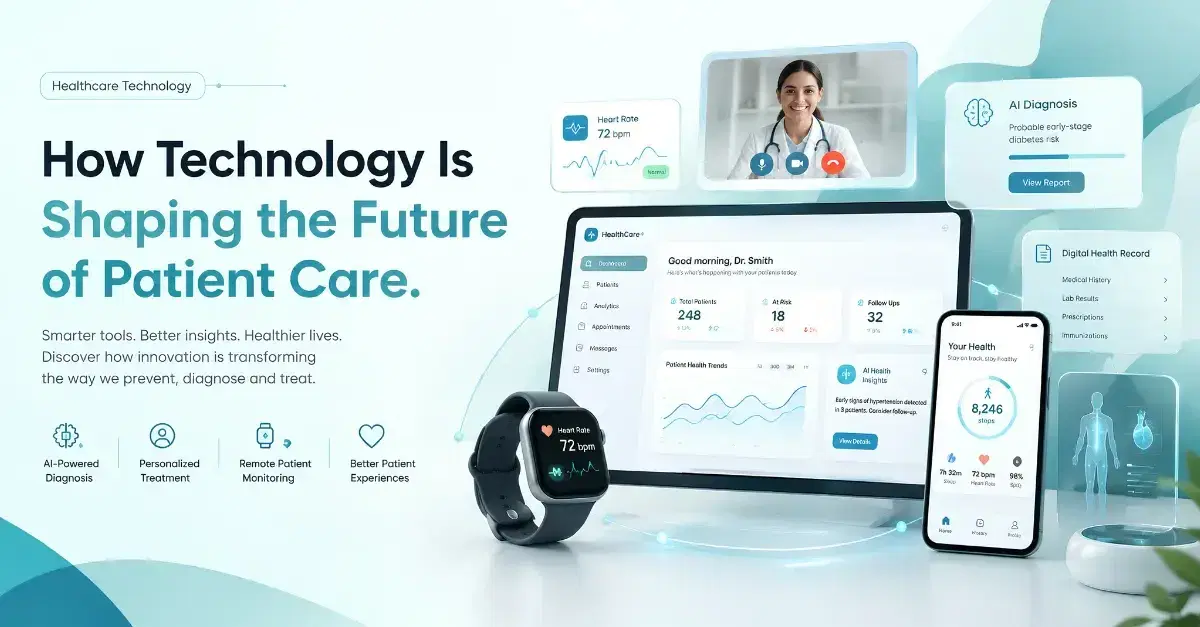
The healthcare industry is entering a new era of transformation. Advances in technology, data analytics, artificial intelligence, and personalized medicine are changing how healthcare providers diagnose diseases, treat patients, and improve outcomes.
What once seemed like science fiction is quickly becoming reality. From AI-powered diagnostics and wearable health monitors to robotic surgeries and precision medicine, today's innovations are creating a smarter, faster, and more patient-centered healthcare ecosystem.
As we move into the future, these innovations are helping healthcare organizations improve efficiency, reduce costs, and deliver better patient experiences while advancing medical science in remarkable ways.
The Rise of Artificial Intelligence in Healthcare
Artificial Intelligence is revolutionizing nearly every aspect of healthcare.
Healthcare providers are using AI to:
- Analyze medical images
- Detect diseases earlier
- Support clinical decisions
- Predict patient outcomes
- Automate administrative processes
- Enhance patient engagement
AI-powered systems can process vast amounts of medical data quickly, helping physicians identify patterns that may otherwise go unnoticed.
This enables faster diagnoses, improved treatment planning, and more accurate patient care.
Personalized Medicine Changes Patient Care
Traditional healthcare often follows a one-size-fits-all approach.
Personalized medicine is transforming this model by tailoring treatments to individual patients based on their:
- Genetics
- Lifestyle
- Medical history
- Health risks
- Environmental factors
Advancements in genomics and biotechnology allow healthcare professionals to develop treatment plans that are more precise and effective.
This approach improves outcomes while reducing unnecessary treatments and side effects.
Telemedicine Continues to Expand Access
Telemedicine has become a fundamental part of modern healthcare delivery.
Patients can now:
- Consult physicians remotely
- Access specialist care
- Receive virtual follow-ups
- Monitor chronic conditions
- Obtain healthcare advice from anywhere
Telehealth solutions improve convenience while expanding healthcare access to underserved and remote communities.
As technology becomes more sophisticated, virtual healthcare experiences continue to improve patient satisfaction and treatment accessibility.
Wearable Health Technology Empowers Patients
Wearable devices are helping people take greater control of their health.
Modern wearable technologies can monitor:
- Heart rate
- Blood pressure
- Sleep quality
- Physical activity
- Oxygen levels
- Stress indicators
These devices provide real-time health insights and allow users to proactively manage their wellbeing.
Healthcare providers can also use wearable data to monitor patients remotely and intervene before conditions worsen.
Robotic Surgery Improves Precision
Robotic-assisted surgery is becoming increasingly common in hospitals around the world.
Benefits include:
- Greater surgical precision
- Reduced complications
- Smaller incisions
- Faster recovery times
- Improved patient outcomes
Surgeons can perform complex procedures with enhanced control and accuracy, improving overall treatment effectiveness.
As robotic technologies advance, patients can expect safer and more efficient surgical experiences.
Advanced Diagnostics Enable Earlier Detection
Early disease detection significantly improves treatment success rates.
Innovative diagnostic technologies are helping healthcare professionals identify conditions sooner through:
- AI-enhanced imaging
- Molecular diagnostics
- Digital pathology
- Biomarker analysis
- Predictive screening tools
Early intervention often leads to better outcomes, lower healthcare costs, and improved quality of life for patients.
Smart Hospitals Transform Healthcare Delivery
Healthcare facilities are becoming more connected and intelligent through the implementation of smart technologies.
Smart hospitals use:
- Internet of Things devices
- Automation systems
- Real-time patient monitoring
- Digital patient records
- Predictive maintenance tools
These technologies improve operational efficiency while enhancing patient safety and clinical decision-making.
The result is a more responsive and effective healthcare environment.
The Growing Impact of Remote Patient Monitoring
Remote patient monitoring is helping healthcare providers extend care beyond traditional settings.
Through connected devices, clinicians can monitor:
- Chronic disease patients
- Post-surgery recovery
- Medication adherence
- Vital signs
- Overall health trends
Benefits include:
- Reduced hospital readmissions
- Improved patient engagement
- Better disease management
- Enhanced care coordination
Remote monitoring allows healthcare teams to take proactive action before small issues become major medical concerns.
Digital Health Platforms Improve Patient Experiences
Digital healthcare platforms are making healthcare more convenient and accessible.
Patients can use secure online systems to:
- Schedule appointments
- Access medical records
- View test results
- Communicate with providers
- Manage prescriptions
These self-service capabilities improve efficiency while helping patients become more active participants in their healthcare journey.
Precision Healthcare Through Big Data Analytics
Healthcare organizations generate enormous amounts of data every day.
Advanced analytics tools help providers:
- Identify health trends
- Improve population health management
- Predict risks
- Optimize resource allocation
- Improve treatment effectiveness
Data-driven healthcare supports better decision-making and enables providers to deliver more personalized care.
Biotechnology Drives Medical Breakthroughs
Rapid advancements in biotechnology continue to reshape modern medicine.
Innovations include:
- Gene therapies
- Regenerative medicine
- Cell-based treatments
- Advanced vaccines
- Targeted therapies
These breakthroughs offer new hope for treating complex diseases and improving long-term patient outcomes.
The future of healthcare will increasingly rely on biotechnology to develop innovative treatment options.
Cybersecurity Becomes a Healthcare Priority
As healthcare becomes more digital, protecting patient information has become essential.
Healthcare organizations are investing in:
- Data encryption
- Multi-factor authentication
- Secure cloud infrastructure
- Threat monitoring
- Regulatory compliance programs
Strong cybersecurity measures help protect sensitive patient data while maintaining trust and operational continuity.
Sustainable Healthcare Innovation
Healthcare providers are also focusing on sustainability initiatives that improve both environmental and operational performance.
Examples include:
- Energy-efficient facilities
- Digital documentation
- Smart resource management
- Reduced medical waste
- Sustainable supply chains
Sustainable healthcare practices support long-term organizational success while benefiting communities and the environment.
Key Trends Shaping Healthcare Innovation
Several major trends are driving the future of healthcare:
Artificial Intelligence
Improving diagnostics, automation, and patient care.
Precision Medicine
Delivering personalized treatment plans.
Telehealth Expansion
Increasing healthcare accessibility worldwide.
Wearable Technologies
Providing continuous health monitoring.
Robotics
Enhancing surgical accuracy and efficiency.
Data Analytics
Supporting smarter clinical decisions.
Digital Health Platforms
Creating seamless patient experiences.
Together, these innovations are transforming healthcare into a more proactive, efficient, and patient-centered industry.
The Future of Healthcare
Healthcare innovation is accelerating at an unprecedented pace.
Future developments may include:
- AI-powered virtual health assistants
- Predictive disease prevention
- Enhanced precision therapies
- Advanced robotics
- Fully connected healthcare ecosystems
- Real-time personalized treatment recommendations
As these technologies continue to evolve, patients and providers will benefit from more accurate diagnoses, better treatment outcomes, and improved healthcare experiences.
Conclusion
The future of healthcare is being shaped by groundbreaking innovations that are improving the way care is delivered, managed, and experienced. From artificial intelligence and wearable technology to personalized medicine and digital health platforms, modern healthcare solutions are creating new possibilities for patients and providers alike.
Organizations that embrace these innovations will be better positioned to improve outcomes, enhance efficiency, and deliver exceptional patient care. As healthcare continues to evolve, innovation will remain the driving force behind a healthier and more connected future.


